Our worship services are the heart of why we gather at Zion, for it is here that God serves us through His Word and Sacraments.
What Is Worship?
To know what worship is, we have to understand the message of the Scriptures. Jesus says of himself, “For even the Son of Man came not to be served but to serve, and to give his life as a ransom for many” (Mark 10:45 ESV; following quotations also ESV).
Why was it necessary for Jesus to come to serve and give his life as a ransom?
Ever since Adam and Eve disobeyed God in the Garden of Eden, they have passed down sin to the rest of the human race. This sin leaves us spiritually dead. St. Paul writes, “And you were dead in the trespasses and sins in which you once walked” (Ephesians 2:1-2a). Just as corpses can’t do anything, so spiritually dead people cannot do anything to save themselves from the condemnation and eternal punishment in hell that they rightly deserve from God. It doesn’t matter how much someone tries to save himself by keeping God’s good and holy will made known to us in his Law. St. Paul also writes, “For by works of the law no human being will be justified in his sight, since through the law comes knowledge of sin” (Romans 3:20).

But don’t despair! Remember Jesus’ Words! He came to serve and give his life as a ransom for many because we can’t save ourselves! Although we’ve all sinned and fallen short of the glory of God, God has revealed his righteousness apart from the Law. As Paul goes on to say in Romans 3, all “are justified by his grace as a gift, through the redemption that is in Christ Jesus” (v. 24). Paul also goes on to say in Ephesians 2, that “God, being rich in mercy, because of the great love with which he loved us, even when we were dead in our trespasses, made us alive together with Christ—by grace you have been saved” (vv. 4-5). Jesus came to die to pay the ransom to rescue us from sin, death, and the devil. Having completed this payment and having rested three days in the tomb, he rose from the dead as the victor over sin, death, and the devil. And we receive Jesus’ vicarious death and resurrection for us by faith. As Paul writes, “For by grace you have been saved through faith. And this is not your own doing; it is the gift of God” (Ephesians 2:8).

He came to serve and give his life
as a ransom for many because we can’t save ourselves!
And how does someone obtain faith?
Again, it’s not something we can do. God gives it to us. He does it by baptizing us into his Son’s death and resurrection, by preaching his Word to us, by absolving us of our sins, and by giving us his Son’s body to eat and his blood to drink in the Lord’s Supper for the forgiveness of our sins and the strengthening of our faith.
When God forgives, renews, and enlivens us through these means, we respond to him. We pray to God and thank him (Philippians 4:6). We praise him for his great deeds (Psalm 105:1), such as creating, redeeming, and sanctifying us. Now we take seriously the fact that God has prepared us to do good works (Ephesians 2:10). Now we offer our bodies as living sacrifices to God (Romans 12:1).
[God] does it by baptizing us into his Son’s death and resurrection, by preaching his Word to us, by absolving us of our sins, and by giving us his Son’s body to eat and his blood to drink in the Lord’s Supper for the forgiveness of sins and the strengthening of our faith.
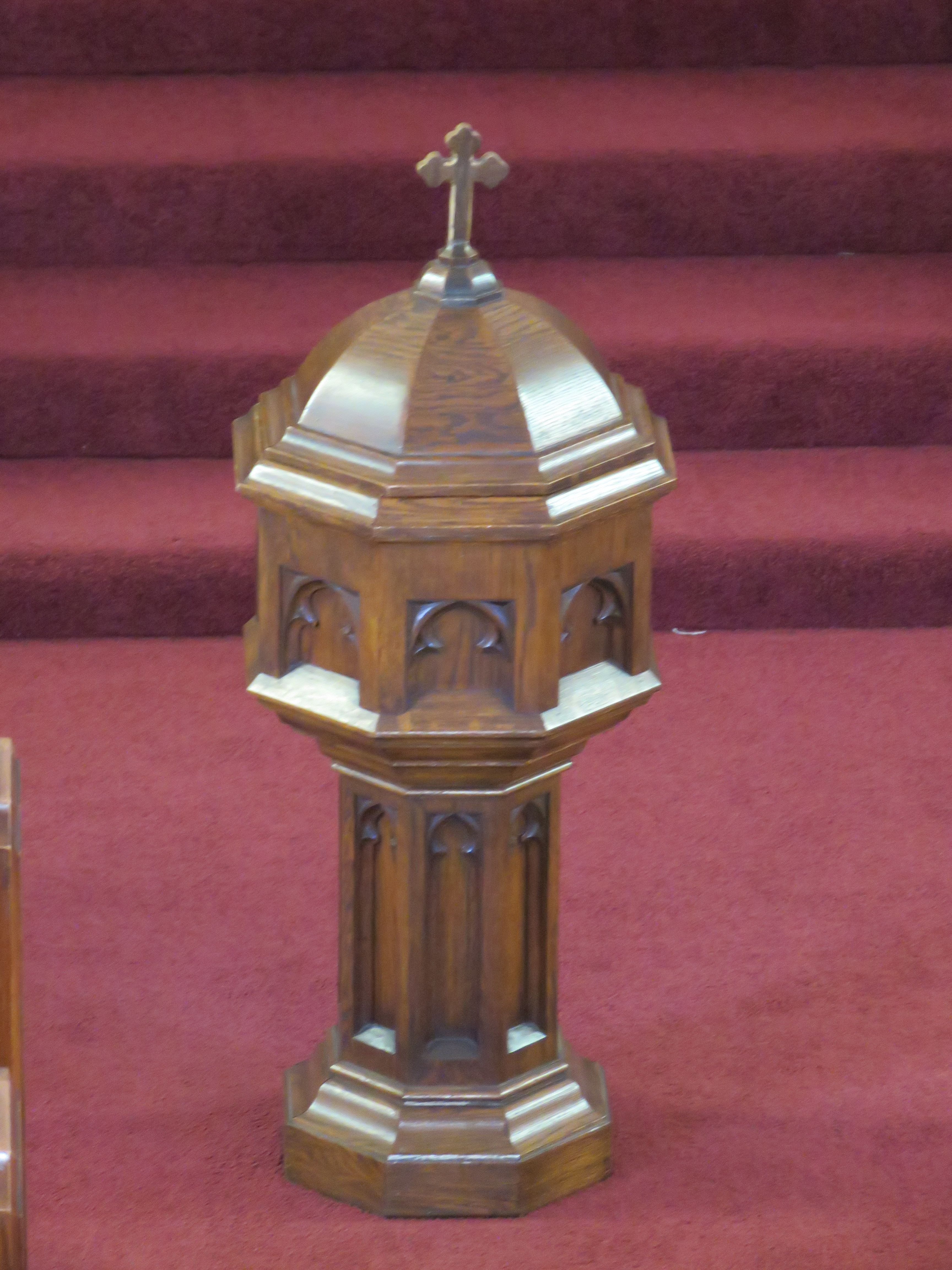
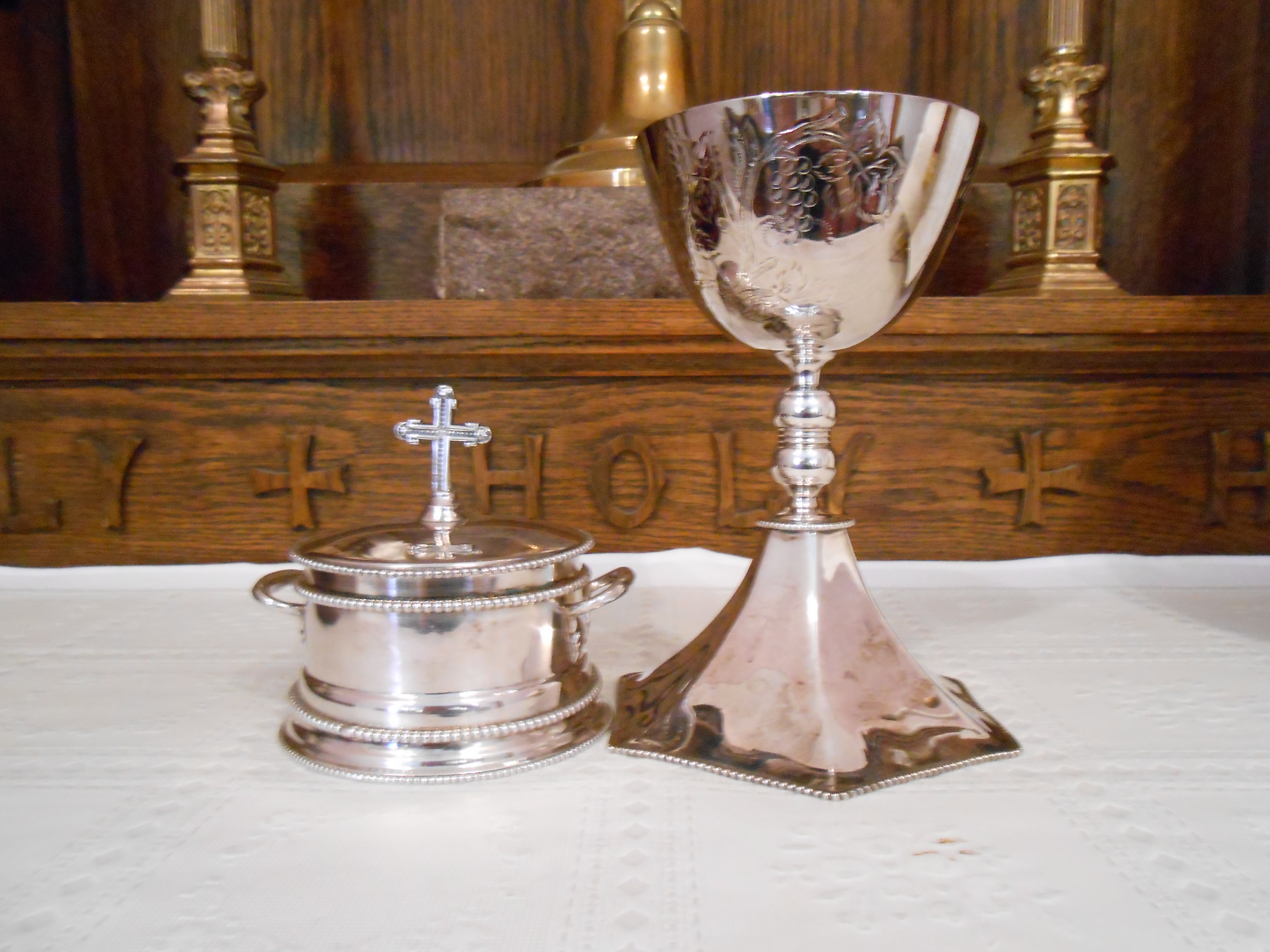
This order – God serves us, and then we respond – is also the nature of worship.
God doesn’t need our prayers and praise, but we need him to serve us with his love, grace, and forgiveness. God is the giver; we are the receiver. Worship is not about what we do for God; it’s about what God does for us. And as stated before, we receive what God does for us by faith. That’s why our Lutheran Confessions explain it this way: “God wants to be worshipped through faith so that we receive from Him those things He promises and offers” (Apology of the Augsburg Confession IV 49).
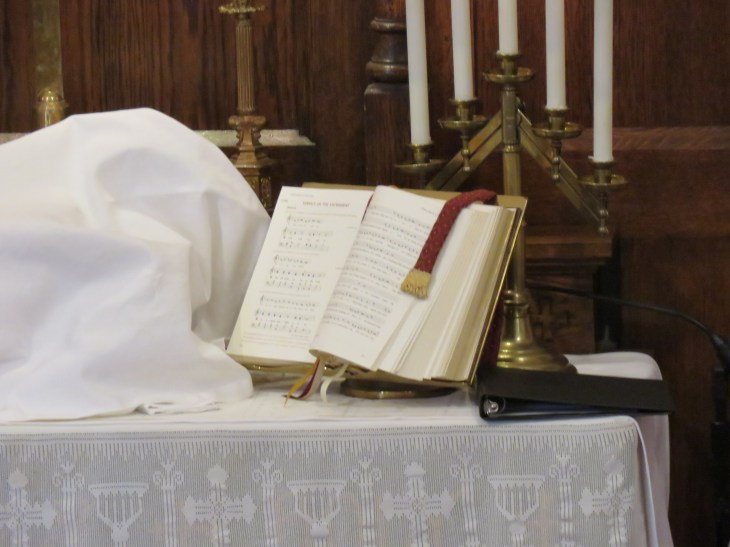
Worship is an incredible opportunity to be served by our good, generous, forgiving, and loving God!
Worship, then, consists of God serving us through his means of grace, his Word and Sacraments, in the various settings of the liturgy, including the Divine Service and the daily prayer offices, such as Matins and Vespers. God’s service then calls forth our service, praise, and thanksgiving. This is the language that the introduction to our hymnal, Lutheran Service Book, uses (page viii). When viewed this way, worship is not just another thing we have to do. Worship is an incredible opportunity to be served by our good, generous, forgiving, and loving God! Since worship is God at work through his Word for his people’s good, it benefits people of all ages, no matter how old or how young. No matter how we feel on any given day, worship is God’s work to forgive and enliven us. It’s the highlight of the Christian’s week!
 Zion Lutheran Church